5 Silent Killers in British Shorthairs (And How AI Detects Them Early)
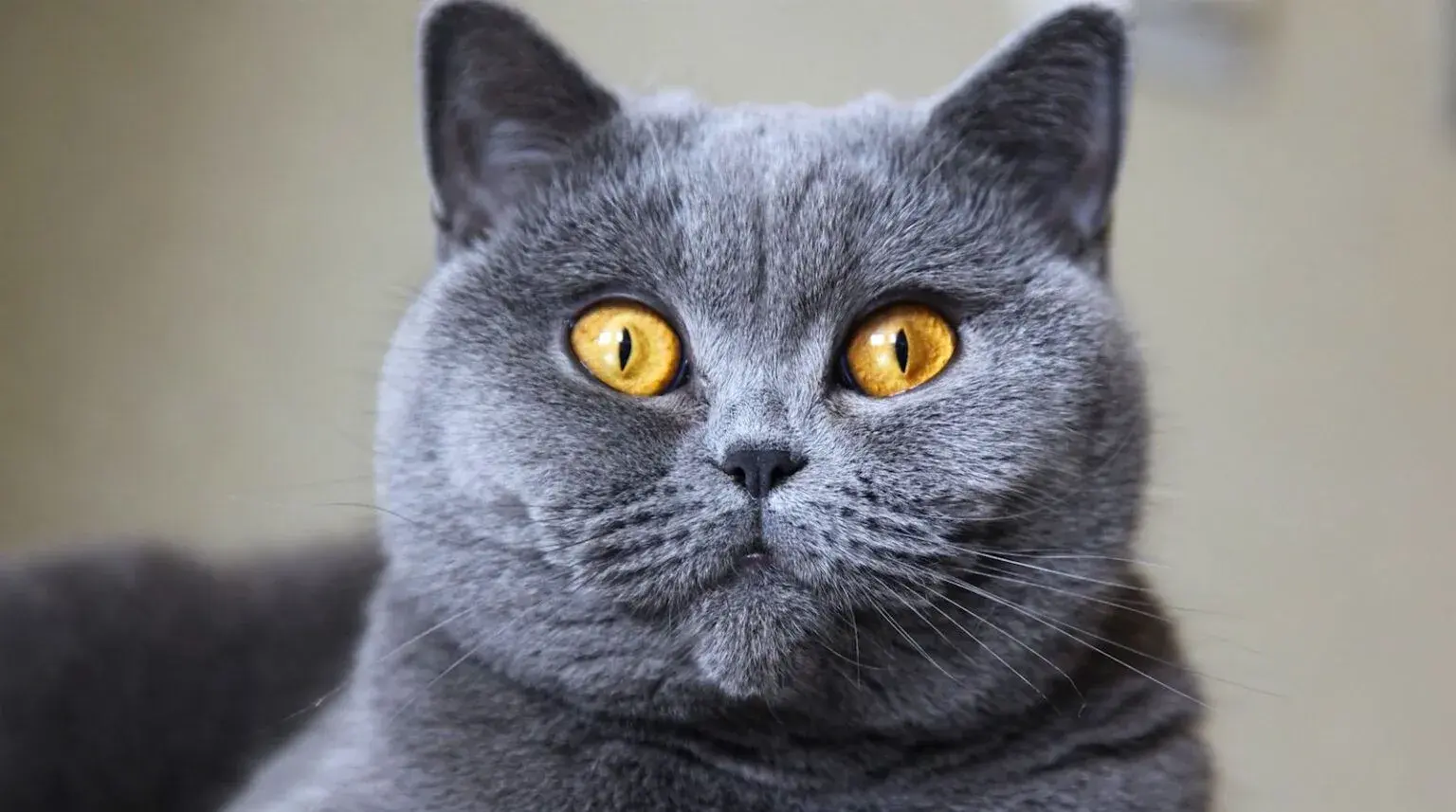
British Shorthairs are known for their calm temperament, round faces, and plush coats. They're often considered one of the healthiest cat breeds, but that reputation can sometimes create a false sense of security.
One of the biggest challenges with feline health is that cats are experts at hiding discomfort. By the time obvious symptoms appear, a disease may have been progressing for months—or even years.
While researching common health issues in British Shorthairs, one fact stood out: many serious conditions develop quietly and may not be detected until significant damage has already occurred. In some cases, a cat can lose a large portion of organ function before owners notice anything is wrong.
Fortunately, advances in AI-assisted monitoring are making it easier to spot subtle changes earlier, giving owners an opportunity to seek veterinary care before problems become severe.
Here are five conditions every British Shorthair owner should know about.
1. Polycystic Kidney Disease (PKD)
What is PKD?
Polycystic Kidney Disease occurs when fluid-filled cysts develop inside the kidneys. Over time, these cysts gradually replace healthy kidney tissue and reduce kidney function.
Because PKD is an inherited condition, affected cats are born with the genetic mutation, although symptoms may not appear until later in life.
Why it's difficult to spot
The early stages of PKD are often silent. Many cats continue behaving normally while kidney function slowly declines.
Some early signs can include:
- Drinking slightly more water than usual
- Occasional vomiting
- Gradual weight loss
- Reduced energy levels
The challenge is that each of these changes can be subtle enough to blend into everyday life.
How AI can help
AI-powered monitoring tools can identify patterns that may be difficult to notice over time, including:
Eye appearance: Subtle changes in eye clarity or coloration may indicate underlying health concerns.
Water consumption trends: Small increases in drinking behavior can be tracked over weeks or months.
Coat condition: Changes in coat quality, shine, or grooming habits may be flagged when compared across multiple images.
A real story: Marjan & Kiki
Marjan from London shared her experience with her cat, Kiki.
Although Kiki appeared healthy, Borzi's weekly scans detected gradual changes that prompted a veterinary visit. Further testing revealed early-stage PKD, allowing treatment and monitoring to begin before significant kidney damage occurred.
Today, Kiki continues to do well, and Marjan credits early detection for making a meaningful difference.
What you should do
- Ask your veterinarian about PKD screening or genetic testing
- Monitor water intake regularly
- Provide constant access to fresh water
- Feed a veterinarian-recommended diet when appropriate
- Consider regular AI-assisted health monitoring
2. Hypertrophic Cardiomyopathy (HCM)
What is HCM?
Hypertrophic Cardiomyopathy (HCM) is the most common heart disease in cats. It causes the heart muscle to thicken, making it harder for the heart to pump blood efficiently.
British Shorthairs are among the breeds known to be at increased risk.
Why it's so dangerous
Many cats with HCM show no obvious symptoms in the early stages.
As the disease progresses, serious complications can occur, including:
- Blood clots
- Congestive heart failure
- Breathing difficulties
- Sudden collapse
Early warning signs may be easy to dismiss:
- Reduced interest in play
- Increased sleeping
- Faster breathing while resting
- Changes in activity levels
How AI can help
Activity monitoring: AI can identify gradual declines in movement and play behavior.
Breathing analysis: Video-based monitoring may detect changes in resting respiratory rates.
Behavior tracking: Long-term trends in activity, appetite, and routine can help highlight potential concerns.
A real story: David & Max
David from Manchester noticed nothing unusual about his three-year-old British Shorthair, Max.
However, AI monitoring highlighted changes in Max's activity levels and resting breathing patterns. A veterinary examination later confirmed early-stage HCM, allowing treatment to begin before severe symptoms developed.
What you should do
- Schedule routine veterinary heart screenings
- Monitor resting respiratory rate
- Pay attention to changes in energy levels
- Use ongoing health monitoring tools when available
3. Dental Disease
What is dental disease?
Dental disease is one of the most common health problems in cats. By the age of three, many cats show signs of gum disease, tartar buildup, or tooth resorption.
British Shorthairs may be particularly prone to dental issues due to the structure of their jaws.
If left untreated, dental disease can lead to:
- Chronic pain
- Tooth loss
- Oral infections
- Difficulty eating
Why owners often miss it
Cats instinctively hide pain.
Many continue eating despite significant dental discomfort, making it difficult to recognize a problem until it becomes advanced.
Subtle signs include:
- Preferring softer foods
- Chewing on one side of the mouth
- Pawing at the face
- Bad breath
- Dropping food while eating
How AI can help
Facial analysis: AI may detect subtle asymmetry or swelling.
Eating behavior monitoring: Changes in eating speed or chewing habits can be tracked over time.
Gum assessment: Image analysis can identify visible signs of inflammation or tartar buildup.
A real story: Michelle & Bella
Michelle from Birmingham thought her cat Bella was perfectly healthy because she never skipped a meal.
When Borzi detected changes in Bella's gum appearance and eating habits, a veterinary examination revealed several infected teeth that required treatment.
Catching the issue early helped Bella avoid more serious complications.
What you should do
- Brush your cat's teeth regularly
- Use veterinarian-approved dental treats
- Schedule professional dental checkups
- Monitor changes in eating behavior
4. Obesity and Diabetes
What's the problem?
British Shorthairs are naturally sturdy cats, but their laid-back personalities can make weight gain a common concern.
Obesity increases the risk of:
- Diabetes
- Arthritis
- Liver disease
- Reduced lifespan
Why it develops quietly
Weight gain usually happens gradually.
A cat may gain only a small amount each month, making changes difficult to notice when you see them every day.
Early signs of diabetes can also be easy to overlook:
- Increased thirst
- Increased urination
- Increased appetite
- Slight changes in energy levels
How AI can help
Body condition tracking: Image analysis can identify gradual changes in body shape.
Feeding guidance: AI can help owners monitor portion sizes and feeding routines.
Activity monitoring: Reduced movement patterns can be flagged before significant weight gain occurs.
Water intake trends: Increased drinking behavior may warrant closer attention.
A real story: Tom & Oscar
Tom from Leeds was surprised when Borzi reported that his cat Oscar's body condition had changed significantly over several months.
The gradual nature of the weight gain made it difficult to notice day to day. With guidance from his veterinarian, Tom adjusted Oscar's diet and increased playtime before obesity-related complications developed.
What you should do
- Weigh your cat regularly
- Measure food portions accurately
- Encourage daily exercise and play
- Monitor body condition over time
5. Chronic Kidney Disease (CKD)
What is CKD?
Chronic Kidney Disease is one of the most common age-related diseases in cats.
As kidney function declines, waste products begin accumulating in the bloodstream, affecting multiple body systems.
Why it's often missed
Cats can compensate remarkably well for declining kidney function.
As a result, symptoms may remain subtle for a long time.
Early signs can include:
- Increased thirst
- Increased urination
- Occasional vomiting
- Gradual weight loss
- Reduced grooming
How AI can help
Eye monitoring: Long-term image comparisons may identify visible changes.
Coat analysis: Declining coat condition can sometimes reflect underlying health concerns.
Behavior tracking: Changes in drinking habits, litter box use, and daily routines can be monitored over time.
A real story: Azhman & Milo
During a routine wellness check, Azhman was told that her senior cat Milo appeared healthy.
However, ongoing monitoring highlighted changes in Milo's drinking habits and appearance, prompting additional testing. Those tests revealed early-stage CKD, allowing treatment and dietary adjustments to begin sooner.
What you should do
- Schedule annual bloodwork, especially for senior cats
- Ensure fresh water is always available
- Discuss kidney-supportive diets with your veterinarian
- Monitor health changes consistently
Why Early Detection of Silent Killers in British Shorthairs Matters
The earlier a disease is identified, the more options veterinarians typically have for treatment and management.
For many chronic conditions, early intervention can improve quality of life, slow disease progression, and reduce the likelihood of emergency situations.
That's why consistent monitoring—whether through routine veterinary visits, at-home observation, or AI-assisted tools—can play such an important role in preventive care.
How Borzi Works
Borzi is designed to help pet owners track changes that may otherwise go unnoticed.
The process is simple:
- Take regular photos and health check-ins.
- AI analyzes trends over time.
- Potential concerns are flagged for review.
- Owners can share information with their veterinarian when needed.
The Cost of Waiting
Emergency veterinary treatment is often significantly more expensive than preventive care.
Beyond the financial cost, delayed detection can limit treatment options and affect a cat's long-term health outcomes.
Early awareness gives owners more time to make informed decisions and work with their veterinary team.
Start Monitoring Today
Your cat can't tell you when something feels wrong.
That's why noticing small changes early can make such a difference.
Whether through regular veterinary visits, careful observation, or AI-powered health monitoring, staying proactive is one of the best ways to protect your British Shorthair's health and well-being.
Ready to monitor your pet's health?
Download Borzi for daily health logs, AI observations, and vet-ready notes in one app.
Download on the App Store