How AI Health Monitoring Helps Pet Owners Catch Problems Earlier
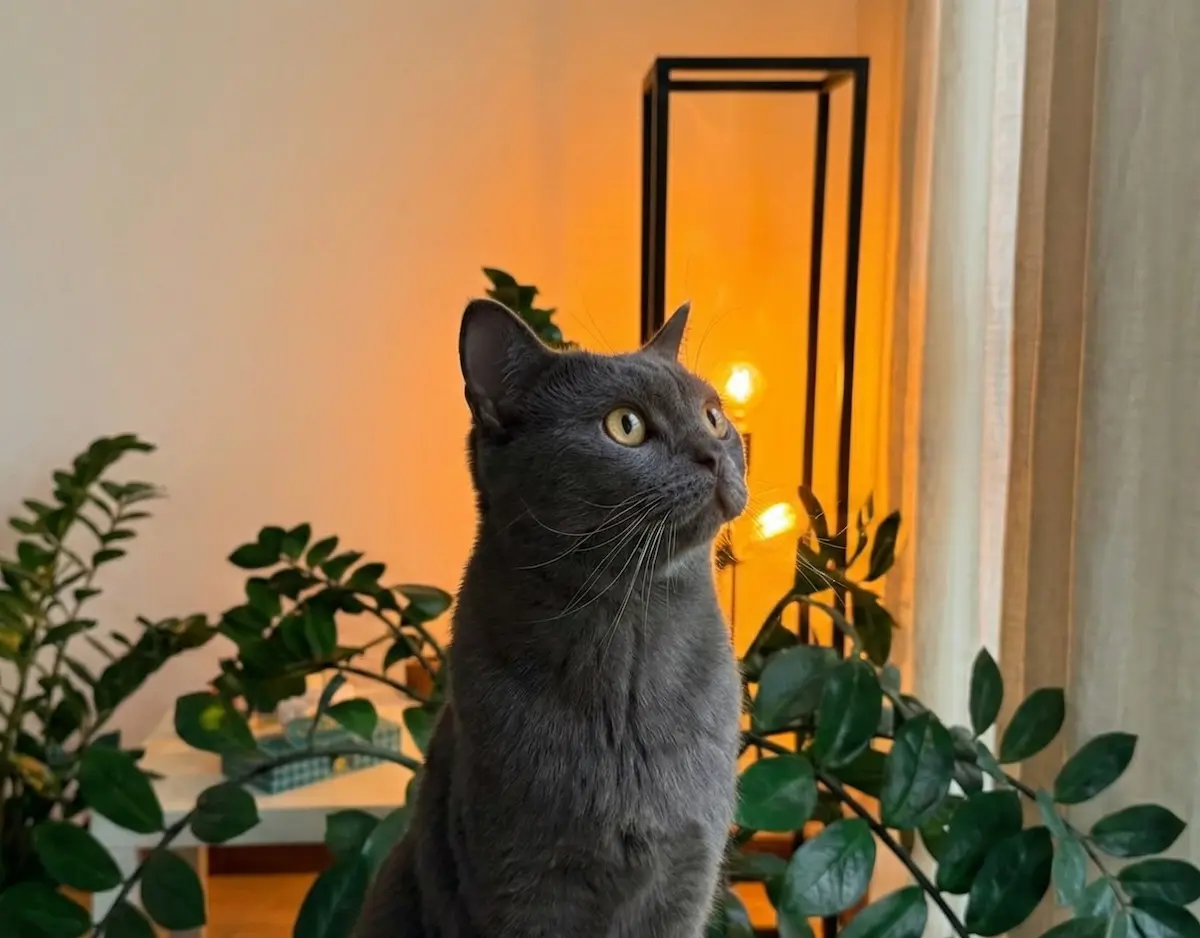
Some of the most memorable conversations we've had at Borzi have come from pet owners who discovered a health issue before it became an emergency.
These stories aren't really about technology. They're about people paying attention to their pets, noticing small changes, and taking action when something doesn't seem right.
In many cases, AI didn't provide a diagnosis: it simply highlighted a pattern that might otherwise have gone unnoticed.
Here are a few stories that show why early awareness matters.
Kiki's Story: "I Had No Idea She Was Sick"
Marjan lives in London with her 4-year-old British Shorthair, Kiki.
Like many cat owners, she believed everything was perfectly normal. Kiki was eating well, playing as usual, and following her regular routine.
Marjan began using Borzi to log Kiki's daily health information and perform regular health scans. The process was simple: photos, appetite updates, and notes about energy levels.
After several weeks, Borzi flagged a subtle change and suggested discussing kidney health with a veterinarian.
At first, Marjan was surprised. "Kiki looked completely healthy to me," she said.
Still, she decided to book an appointment. Further testing revealed early-stage kidney disease. According to her veterinarian, the condition had been caught well before obvious symptoms would likely have appeared.
Treatment began immediately, along with dietary changes and ongoing monitoring.
Looking back, Marjan says the biggest benefit wasn't simply finding the disease—it was having the opportunity to address it early.
"Without that warning, I probably wouldn't have booked the appointment when I did," she told us.
Today, Kiki continues to do well and remains an active part of Marjan's daily life.
Tyson's Scary Night: An Emergency That Couldn't Wait
Manouch from Watford remembers exactly where he was when he noticed his cat Tyson chewing on part of a lily bouquet. At the time, he had no idea how dangerous lilies can be for cats.
After searching for guidance through Borzi, he received an urgent warning recommending immediate veterinary attention.
That alert prompted him to act quickly.
Tyson was taken to an emergency veterinary clinic the same night, where treatment began before serious symptoms developed.
He spent several days receiving care and monitoring before finally returning home.
Looking back, Manouch says the biggest difference was understanding the urgency of the situation.
"I probably would have waited until the next morning if I hadn't realized how serious it was," he explained.
Today, Tyson is healthy and back to exploring every corner of the house.
The experience also left Manouch with a message he now shares with other cat owners: keep lilies out of your home if you have cats.
Bella's Weight Problem: "I Thought She Was Just Fluffy"
British Shorthairs are naturally sturdy cats, which can make gradual weight gain difficult to spot. Michelle from Birmingham learned that firsthand with her cat Bella.
Like many owners, she thought Bella's round appearance was simply part of the breed's charm. Meanwhile, Borzi's health logs showed a steady upward trend in Bella's weight and body condition over several weeks.
The change wasn't dramatic enough to notice day to day, but the long-term trend was clear.
Concerned after receiving an alarm from Borzi, Michelle scheduled a veterinary checkup. The results showed Bella was becoming overweight and had early indicators that could eventually increase her risk of diabetes.
Working with her veterinarian, Michelle adjusted Bella's diet and introduced more daily activity. Several months later, Bella had returned to a healthier weight.
"The surprising part was how slowly it happened," Michelle said. "Because I saw her every day, I never realized how much had changed."
For her, the value wasn't a single alert: it was having an objective record that showed the bigger picture. Something that she never would have discovered on her own.
Milo's Story: When Small Changes Add Up
Azhman from Edinburgh takes preventive care seriously and never misses Milo's annual veterinary checkups. During one routine visit, everything appeared normal.
However, Borzi's long-term records had identified subtle changes over several months, including shifts in appearance and daily habits. The platform suggested discussing kidney health with a veterinarian and considering additional testing.
Although the initial exam hadn't revealed any obvious concerns, follow-up blood work detected early-stage chronic kidney disease.
The diagnosis came as a surprise.
"It reminded me how good cats are at hiding illness," Azhman said.
The earlier diagnosis allowed Milo's care team to begin treatment and make dietary adjustments before the condition progressed further.
Today, Milo continues to do well, and Azhman believes that identifying the issue earlier gave her more options for managing his health.
What Borzi Does Today
One of the biggest challenges in pet care is that many health changes happen gradually. The issues may go unnoticed for a long time.
When you see your cat every day, subtle differences can be easy to miss. Appetite shifts slightly. Activity decreases a little. Weight changes over months instead of days.
That's where consistent tracking can help.
Today, Borzi allows pet owners to:
- Log daily health information
- Track appetite, activity, and behavior trends
- Perform health scans when concerns arise
- Receive alerts when patterns change
- Share useful information with their veterinarian
Health scans and trend monitoring help provide a clearer picture of what is happening between veterinary visits.
It's important to remember that Borzi and its AI capabilities are not a replacement for veterinary care.
Instead, it's designed to help owners recognize patterns sooner and know when it's time to seek professional advice.
Early Detection Matters
The common thread in all of these stories isn't technology.
It's timing.
Kiki's kidney disease was addressed before severe symptoms appeared. Tyson received emergency treatment before poisoning caused irreversible damage. Bella's weight gain was managed before it developed into a more serious health issue. Milo's kidney disease was identified early enough for treatment and monitoring to begin sooner.
In each case, the goal wasn't to replace a veterinarian. It was to help owners notice something worth investigating.
That's ultimately what preventive health monitoring is about: catching small changes before they become big problems.
Start Monitoring Today
Whether you use Borzi or simply keep detailed records yourself, paying attention to trends can make a meaningful difference in your pet's health.
A few minutes spent on tracking behavior, appetite, weight, and daily habits can provide valuable information over time.
Cats can't tell us when something feels wrong. In fact, they're masters of hiding their pain and sickness.
But they often show small clues long before a problem becomes obvious.
The sooner those clues are recognized, the more options owners and veterinarians may have to help.
Your cat can't tell you "Something is wrong." Borzi helps you notice sooner — your vet still makes the call.
Ready to monitor your pet's health?
Download Borzi for daily health logs, AI observations, and vet-ready notes in one app.
Download on the App Store