Why British Shorthairs Can Be More Expensive to Keep Healthy Than Most Owners Expect
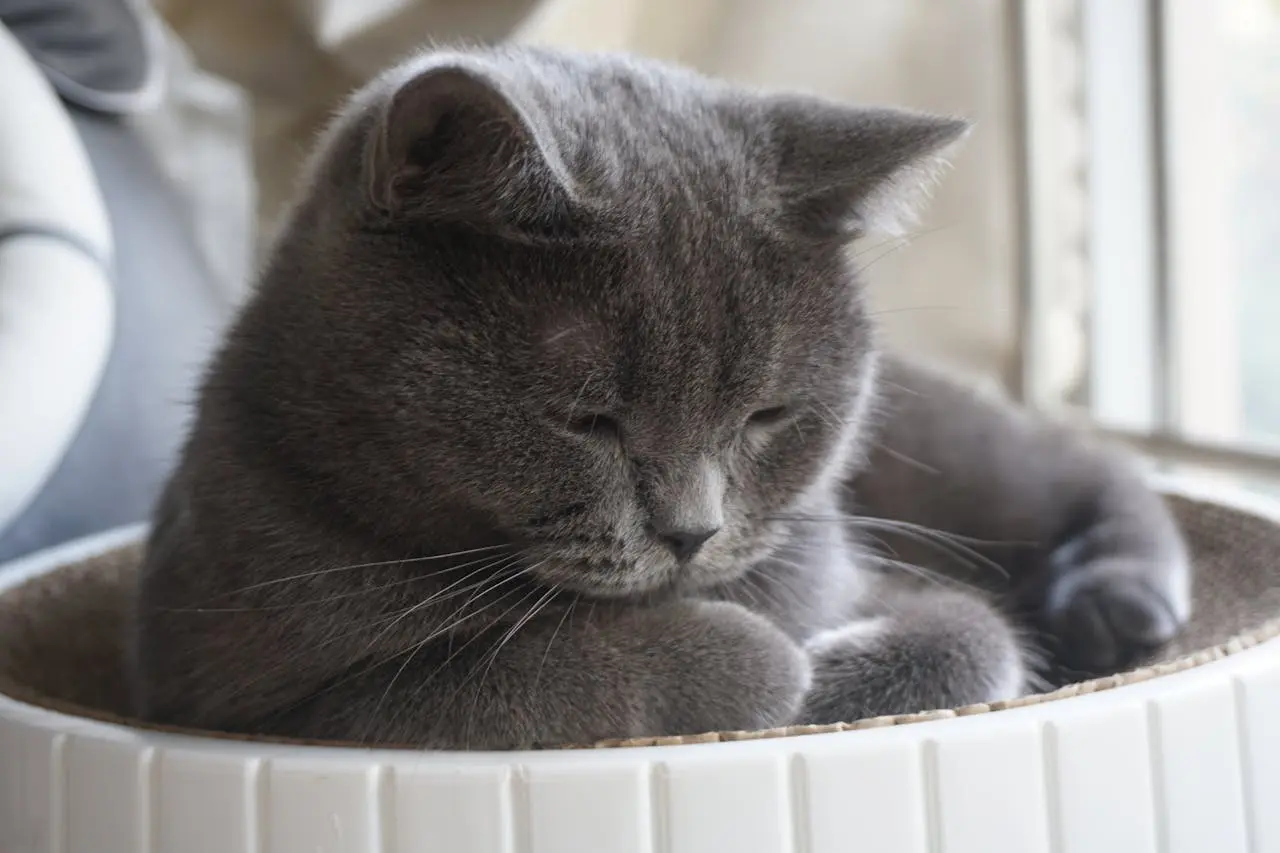
When people think about the cost of owning a British Shorthair, they usually focus on the purchase price. A kitten from a reputable breeder can easily cost between $1,500 and $3,000, and sometimes more depending on pedigree and location.
But for many owners, that's only the beginning.
The long-term cost of caring for a British Shorthair often comes from something less obvious: managing breed-related health risks and providing ongoing preventive care.
If you're considering bringing one home—or already share your life with one—it's worth understanding where those costs can come from and how early monitoring may help reduce them.
The Numbers Many Owners Don't Expect
One of the most surprising things about cat ownership is how quickly veterinary expenses can add up, even when a cat appears healthy.
Routine expenses often include:
- Annual wellness exams
- Vaccinations
- Bloodwork
- Dental care
- Preventive treatments
For many owners, these costs are manageable and predictable. The real challenge comes when a chronic illness or unexpected emergency enters the picture.
Conditions such as heart disease, kidney disease, diabetes, or severe dental problems can require:
- Specialist consultations
- Diagnostic imaging
- Long-term medications
- Prescription diets
- Follow-up testing
Over time, the financial commitment can become significant, particularly when treatment continues for months or years.
Many experienced owners say the same thing in hindsight: "I wish I'd known about the risks sooner."
Why British Shorthairs Require Extra Attention
British Shorthairs are generally known as calm, affectionate companions, but like many purebred animals, they are associated with certain inherited health conditions.
Some of the most common concerns include:
-
Heart Disease (HCM): Hypertrophic Cardiomyopathy (HCM) is one of the most common heart conditions seen in cats. Because symptoms may remain subtle for long periods, many owners don't realize there's a problem until the disease has progressed.
-
Polycystic Kidney Disease (PKD): PKD is an inherited condition that causes cysts to develop in the kidneys over time. The disease often progresses slowly, making early detection especially important.
-
Obesity and Diabetes: British Shorthairs have a naturally sturdy build and are not always the most active cats. Without careful weight management, obesity can increase the risk of diabetes, arthritis, and other health complications.
-
Dental Disease: The breed's facial structure can contribute to dental crowding and oral health issues, making regular dental care an important part of preventive health management.
None of these conditions guarantee that a British Shorthair will become ill.
However, they do highlight why proactive monitoring can be particularly valuable for this breed.
The Real Challenge: Detecting Problems Early
Veterinary medicine has made tremendous advances in diagnosing and managing chronic disease.
The difficulty is often timing.
Cats are remarkably skilled at hiding discomfort. In the wild, showing weakness can make an animal vulnerable, and that instinct remains strong even in our homes.
As a result, many health conditions develop gradually with few obvious warning signs.
A cat may continue eating, playing, and behaving normally while subtle internal changes are already taking place.
By the time symptoms become impossible to ignore, treatment may be more complicated, more expensive, and less effective than it would have been earlier.
That's why early detection matters so much.
What Experienced Owners Tend to Do Differently
After speaking with many British Shorthair owners, one pattern stands out. The owners who caught health problems early weren't necessarily spending more money or visiting the veterinarian more often.
They were simply paying closer attention to trends.
Many kept records of:
- Weight changes
- Water consumption
- Appetite
- Activity levels
- Litter box habits
- Physical appearance
Individually, these changes may seem insignificant. Viewed over weeks or months, they can tell a much larger story.
This is where technology can be particularly useful.
Humans naturally adapt to gradual changes because we see our pets every day. A digital record can help identify patterns that might otherwise be easy to overlook.
The Economics of Prevention
Preventive care isn't just about health—it's often about cost management as well.
Consider two different situations:
Scenario 1: A Condition Is Discovered Late
- Disease progresses without obvious symptoms
- Diagnosis occurs after noticeable health decline
- More intensive treatment becomes necessary
- Additional testing and emergency visits may be required
Scenario 2: A Condition Is Identified Early
- Subtle changes are recognized sooner
- Veterinary intervention happens earlier
- Lifestyle and treatment adjustments begin before complications develop
- Long-term management may be more effective
Every situation is different, and no outcome is guaranteed. However, early detection often provides more options, both medically and financially.
What Every British Shorthair Owner Should Know
If there's one takeaway from all of this, it's that prevention is usually easier than intervention.
Here are a few habits worth developing:
1. Don't Assume Everything Is Fine. Many health conditions develop quietly. A cat can appear perfectly healthy while early disease is progressing in the background.
2. Annual Vet Visits Are Important—but They're Not the Whole Picture. A lot can change between checkups. Observing your cat consistently throughout the year helps fill those gaps.
3. Weight Matters More Than Most People Realize. A slightly heavier British Shorthair may look adorable, but excess weight can increase the risk of several serious health conditions.
4. Small Changes Are Worth Tracking. Drinking a little more water. Sleeping more than usual. A gradual decrease in activity. These changes may not mean anything on their own, but they can provide useful context when viewed over time.
5. Cats Rarely Tell Us When Something Is Wrong. That's part of what makes preventive monitoring so valuable. The earlier a pattern is recognized, the sooner a veterinarian can determine whether it deserves further investigation.
What You Can Do Right Now
You don't need complicated equipment to start monitoring your cat's health.
This week:
- Weigh your cat and record the result
- Take clear photos of their eyes and coat
- Observe eating, drinking, and litter box habits
This month:
- Schedule a wellness exam if one is overdue
- Discuss breed-specific risks with your veterinarian
- Ask whether additional screening tests are appropriate
Going forward:
- Track changes consistently
- Compare photos over time
- Keep notes on behavior and activity
- Consider tools that help organize health information and identify trends
And the good news? You can do all this with Borzi and its amazing AI features. Borzi is specially helpful when it comes to tracking the daily habits and/or changes in energy levels, behavior and appetite of your beloved cat.
One Final Thought
One phrase comes up again and again when owners talk about serious health problems:
"I wish I had known sooner."
Early detection doesn't prevent every illness. It doesn't guarantee a particular outcome.
What it does provide is time: time to ask questions, seek treatment, make informed decisions, and work closely with your veterinarian.
British Shorthairs can be wonderful companions for many years.
The best way to protect that time is by paying attention to the small changes that often appear long before a health problem becomes obvious.
Ready to monitor your pet's health?
Download Borzi for daily health logs, AI observations, and vet-ready notes in one app.
Download on the App Store