Your 'Chunky' British Shorthair Isn't Cute. He's Dying.
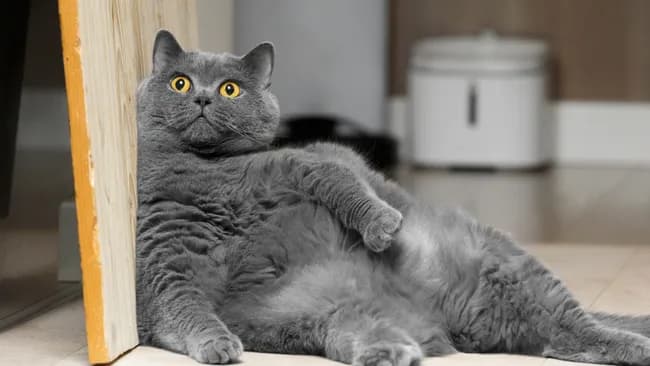
Your "Chunky" British Shorthair Might Not Be as Healthy as You Think
British Shorthairs are famous for their round faces, stocky builds, and plush coats. That's part of what makes them so lovable.
The problem is that those same traits can make it surprisingly difficult to tell when a cat is becoming overweight.
I learned that lesson through a friend and his British Shorthair, Boris.
When Boris weighed nearly 9 kg, everyone thought he looked adorable. We joked that he was a "unit." His photos always got plenty of attention, and people loved how round he looked.
Looking back, we were celebrating something that was actually affecting his health.
Over time, Boris stopped jumping onto the sofa. Grooming became difficult because he couldn't comfortably reach parts of his back. He spent most of the day sleeping and became less interested in playing.
Eventually, he developed heart problems far earlier than anyone expected.
I'll never know exactly how much of that was caused by his weight, but it completely changed the way I think about obesity in cats.
Why British Shorthairs Are Easy to Overfeed
British Shorthairs have what's known as a cobby body type. They naturally have broad chests, sturdy frames, and thick coats. That makes it much harder to recognize gradual weight gain than it would be in a leaner breed.
A cat can slowly gain weight over months without looking dramatically different to the people who see them every day.
That's one reason we added weight tracking to Borzi. Rather than relying on memory or appearance alone, owners can follow gradual changes over time and spot trends before they become obvious.
Why Extra Weight Matters
Carrying excess weight doesn't just change how a cat looks. It affects nearly every system in the body.
-
Diabetes: British Shorthairs already have a higher risk of developing diabetes than many breeds. Excess body fat can make insulin regulation more difficult, increasing that risk even further. Managing feline diabetes often requires long-term treatment, regular monitoring, and significant lifestyle adjustments.
-
Arthritis: Extra weight places additional stress on joints that already support a compact, heavy body. Many overweight cats become less active, not because they're naturally lazy, but because movement has become uncomfortable. Ironically, moving less often leads to even more weight gain.
-
Heart Health: British Shorthairs are also predisposed to Hypertrophic Cardiomyopathy (HCM). While obesity doesn't directly cause HCM, excess weight can place additional strain on the cardiovascular system and make existing heart disease more difficult to manage.
-
Liver Disease: Overweight cats that suddenly stop eating are at greater risk of developing hepatic lipidosis, also known as fatty liver disease. This condition requires immediate veterinary attention and can become life-threatening if left untreated.
Don't Trust Your Eyes Alone
One of the most useful things a veterinarian ever showed me was a simple body condition check. Instead of judging your cat by appearance, gently place your hands along both sides of their ribcage.
- If you can easily feel the ribs beneath a thin layer of tissue, your cat is likely close to an ideal body condition.
- If you have to press firmly to find them, your cat may be carrying excess weight.
- If you struggle to feel them at all, it's worth scheduling a discussion with your veterinarian.
This quick check is helpful, but it's even more useful when combined with regular weight measurements.
That's where Borzi's Weight Tracker becomes valuable. Logging your cat's weight every week or two makes it much easier to notice gradual changes that are almost impossible to spot with your eyes alone.
Why Small Weight Changes Matter
Many owners dismiss small changes. "It's only 100 grams." But for a cat, that's not insignificant.
Gradual weight gain often happens so slowly that it becomes part of the new normal. Likewise, unexplained weight loss can sometimes be one of the earliest signs of conditions such as kidney disease, diabetes, or hyperthyroidism.
Because Borzi stores previous weight records, it can highlight trends that are easy to overlook when you're simply looking at your cat every day.
Sometimes the pattern matters more than a single number.
Helping Your British Shorthair Stay Healthy
If your veterinarian recommends weight loss, small, consistent changes usually work better than dramatic ones.
1. Feed Scheduled Meals
Leaving food available all day makes it easy for many British Shorthairs to eat more calories than they need. Scheduled meals provide much better portion control.
2. Measure Every Meal
Guessing portions is surprisingly unreliable. Using a kitchen scale helps ensure your cat receives the amount recommended by your veterinarian or food manufacturer.
3. Be Mindful of Treats
Treats count toward your cat's daily calories. Even a few extra treats every day can gradually lead to weight gain over time.
4. Encourage Daily Activity
Interactive toys, puzzle feeders, and short play sessions all help keep cats mentally stimulated while increasing their daily movement. Borzi's activity and weight logs make it easier to see whether those changes are making a difference over several weeks.
It's About Health, Not Appearance
This isn't about making cats look thinner. It's about helping them live comfortably for as long as possible.
A healthy British Shorthair should still have the breed's characteristic round face and sturdy build. The goal isn't to change how they naturally look. The goal is to prevent excess body fat from quietly affecting their joints, heart, and overall quality of life.
If you're unsure whether your cat is at a healthy weight, don't rely on social media—or even your own eyes alone. Talk with your veterinarian. Check your cat's body condition regularly. Track their weight consistently.
And if you use Borzi, let the Weight Tracker help you spot gradual changes before they become much harder to reverse.
Sometimes the smallest changes are the ones that matter most.
Ready to monitor your pet's health?
Download Borzi for daily health logs, AI observations, and vet-ready notes in one app.
Download on the App Store