I Pointed My Phone at My Cat's Dinner. The AI Told Me to Take a Second Look
I Pointed My Phone at My Cat's Dinner. The AI Told Me to Take a Second Look.
Last week, a friend came over for dinner and brought avocado toast.
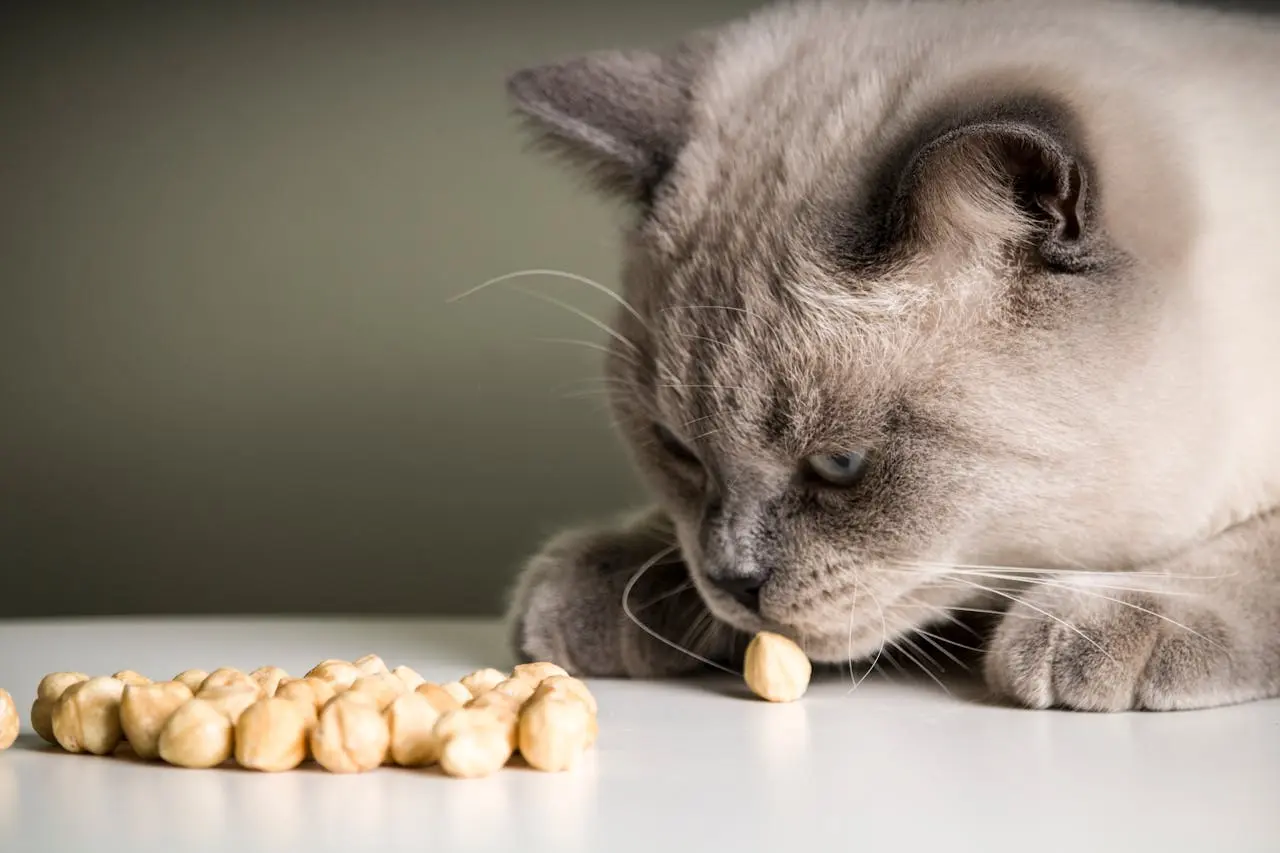
While we were eating, a small piece of avocado slipped onto the floor. Before either of us could react, my cat, Misha, was already investigating it.
My friend laughed. "He loves avocado!"
For a second, I almost let him have it.
After all, avocado is considered a healthy food for people. It's easy to assume that something nutritious for us must also be safe for our pets.
But instead of guessing, I opened Borzi, tapped the Visual Toxicity Scanner, and pointed my phone at the piece on the floor.
A few seconds later, the scan identified it as avocado and explained that it contains persin, a compound that may cause gastrointestinal problems in cats. It also reminded me that the pit, skin, and leaves carry greater risks.
That was enough for me to remove it before Misha could take another bite.
My friend looked genuinely surprised. "I had no idea."
Neither did I the first time I learned about it.
Why Borzi has the Visual Toxicity Scanner
Borzi already included a Toxicity Checker that lets owners search for foods, plants, and household items by name. It works well—if you know exactly what you're looking at.
But that's not always the case.
Maybe your cat knocks over a houseplant you've never identified. Maybe they find something on the kitchen floor before you do. Maybe you're visiting family and your pet is sniffing around unfamiliar foods or decorations.
In those moments, typing a name into a search bar isn't very helpful if you don't know the name in the first place.
That's what inspired the Visual Toxicity Scanner.
Instead of searching, you simply point your camera at the object, and Borzi identifies it before providing pet-specific safety information.
The Message That Changed Our Priorities
One message from a Borzi user stayed with me throughout development.
Emma, from Bristol, contacted us late one evening after her kitten chewed on a plant in her garden. She had no idea what the plant was. At the time, Borzi only supported text searches.
I asked her to describe it, but after a few messages we both realized how impossible that was.
Green leaves. Small white flowers. That description could match dozens of different plants.
She eventually drove to an emergency veterinary clinic because she couldn't confidently determine whether the plant was dangerous.
Thankfully, everything turned out fine.
The plant wasn't toxic. But the experience highlighted a gap we wanted to solve.
Sometimes identifying the object is the hardest part of deciding what to do next.
How the Scanner Works
One thing we wanted was for the feature to be as simple as possible.
1. Open Borzi.
2. Select the Visual Toxicity Scanner.
3. Point your camera at the food, plant, or household item.
4. Receive an identification along with safety information relevant to your pet.
Rather than simply recognizing an object, the scanner explains why it may—or may not—be a concern for your cat or dog.
It's designed to help owners make informed decisions quickly, while still encouraging them to contact a veterinarian whenever something appears genuinely dangerous.
Shocking Items That Owners Have Scanned
One of my favorite parts of building Borzi is reading how people actually use it.
Some recent examples include:
- A bouquet that contained lilies mixed with other flowers.
- A grape that rolled under the dining table after dinner.
- A pothos plant that a family had owned for years without realizing it could irritate pets.
- Garlic bread left within reach on the kitchen counter.
- Tulips growing in a backyard garden.
- A sugar-free snack that contained ingredients the owner hadn't noticed.
- An aloe vera plant that someone assumed was completely pet-safe because it was "natural."
None of these scans automatically meant an emergency. What they did provide was information that helped owners make better decisions before their pets got into trouble.
That's exactly what we hoped the feature would do.
Why a Camera Can Be More Useful Than a Search Engine
People sometimes ask why they should use Borzi instead of simply searching online.
Search engines are incredibly useful, but they have limitations in situations like these. First, you need to know what you're searching for. If you don't recognize the plant or food in front of you, it's difficult to ask the right question.
Second, search results often contain conflicting advice. Some articles discuss dogs. Others discuss cats. Some refer to leaves, while others refer only to fruit or seeds.
Borzi starts by identifying what you're looking at and then provides information that's specific to your pet profile, making it much easier to understand whether something deserves closer attention.
A Simple Test: Try Looking Around Your Kitchen
Take a moment to look around your kitchen as if you were seeing it from your cat's perspective.
- Fruit bowls.
- Plants.
- Coffee.
- Chocolate.
- Garlic.
- Onions.
- Fresh flowers.
Most of these items don't seem unusual because they're part of everyday life. For a curious cat, though, they're simply interesting objects waiting to be investigated.
That's why we built the Visual Toxicity Scanner.
Not because every scan reveals a serious danger, but because sometimes it catches something you'd never have thought to check.
Prevention Is the Goal
One thing we've noticed since launching this feature is that people are using it before problems happen. They're scanning new houseplants before bringing them home.
Checking unfamiliar treats before offering them. Looking at dropped food before their pet reaches it.
That's exactly how we hoped Borzi would be used.
Not as a replacement for veterinary advice, but as a simple tool that encourages safer decisions before an emergency begins.
One Last Thought
Your pet depends on you to make safe choices. Sometimes those choices are obvious. Sometimes they're not.
If you're ever unsure about a food, plant, or household item, taking a quick photo with Borzi's Visual Toxicity Scanner can give you more information before your pet gets curious first.
Sometimes, a few seconds really can make all the difference.
Ready to monitor your pet's health?
Download Borzi for daily health logs, AI observations, and vet-ready notes in one app.
Download on the App Store