Wait, You Can't Feed Them That?
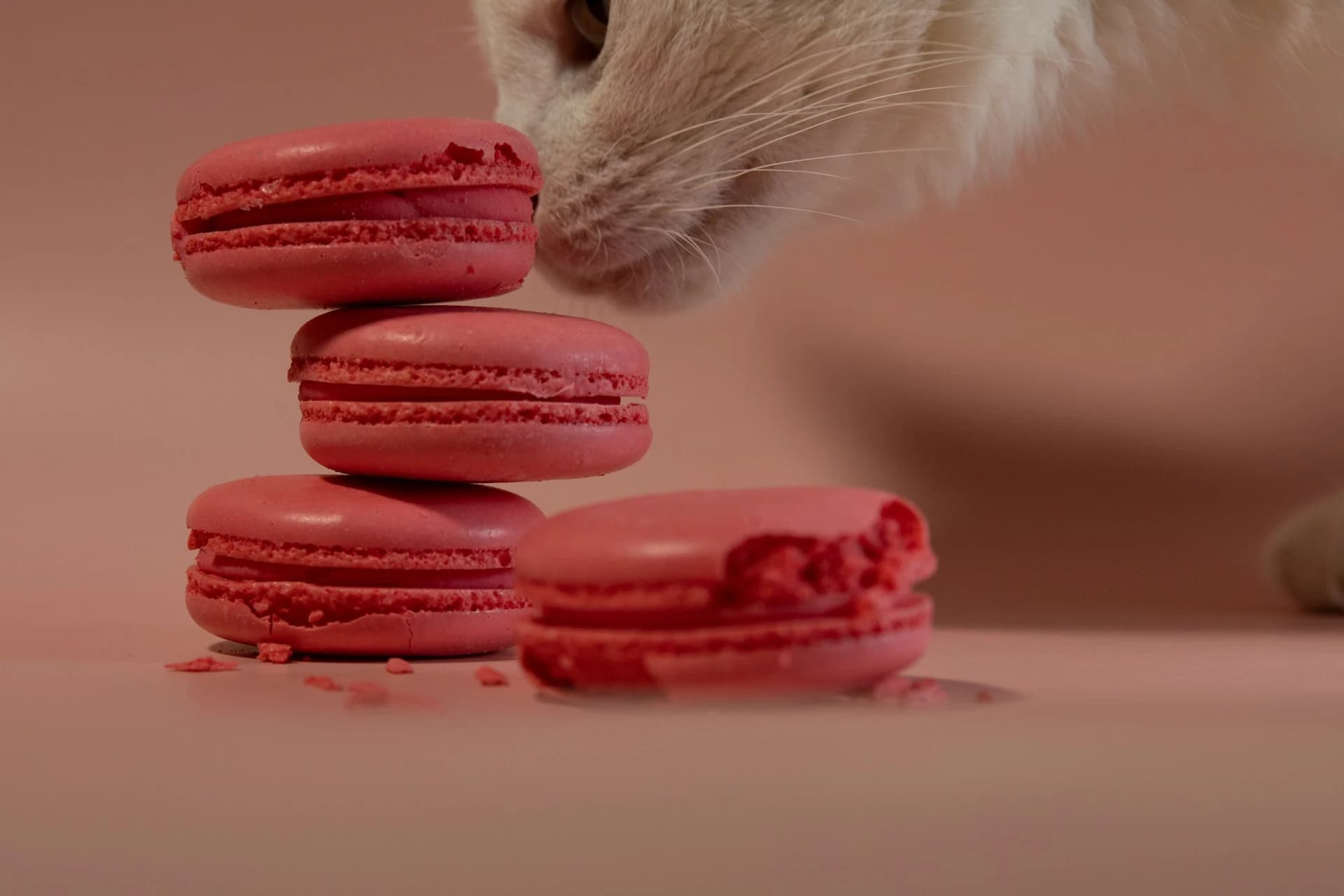
A few years ago, I learned an important lesson about pet safety from something as ordinary as a piece of onion.
I was making dinner when a small slice fell from the cutting board onto the floor. I didn't think much of it. Like many cat owners, I assumed my cat would ignore it.
Instead, he treated it like a toy.
Before I could pick it up, he had already batted it across the kitchen and taken a bite.
At first, I wasn't worried. It seemed harmless enough.
Still, something told me to double-check, so I opened Borzi's Toxicity Checker and searched for "onion."
The result was immediate: Onions, garlic, and other allium vegetables can be toxic to cats and may damage red blood cells, potentially leading to anemia.
That was enough for me to call my veterinarian and get professional advice.
Thankfully, everything turned out fine. But the experience reminded me how easy it is to underestimate everyday risks.
Why So Many Pet Owners Miss These Dangers
Most pet owners genuinely want to do the right thing. We buy quality food. We schedule vet visits. We pay attention to our pets' health.
The challenge is that cats process food very differently than humans. Something that's perfectly safe—or even healthy—for us can cause serious problems for them.
And unless you've spent time researching pet toxicology, many of these hazards aren't obvious.
That's one reason we built Borzi's Toxicity Checker: to give owners a quick way to verify whether a food, plant, or household item is safe before it becomes a problem.
Here are a few surprising examples.
Grapes and Raisins
Grapes and raisins are among the most confusing pet toxins. Researchers still don't fully understand why some animals react so severely to them, but veterinarians know they can be associated with acute kidney injury in pets.
What's particularly challenging is that reactions can vary. One animal may show no symptoms, while another can become seriously ill after a relatively small amount.
That's why most veterinarians recommend treating grapes and raisins as foods that should never be offered to pets intentionally.
If they fall on the floor or are left within reach, it's worth acting quickly.
The Bread Dough Problem
Raw bread dough is another household hazard many people don't think about.
When dough contains active yeast, it can continue expanding after being eaten. That expansion can cause discomfort and, in severe cases, create dangerous pressure inside the digestive system.
Yeast fermentation can also produce alcohol, which presents an additional risk for pets.
For anyone who enjoys baking at home, it's a good reminder to keep rising dough covered and out of reach.
The Milk Myth
Cartoons have convinced generations of people that cats and milk are the perfect combination.
The reality is a little different.
Many adult cats have difficulty digesting lactose because they produce less of the enzyme needed to process it after kittenhood. As a result, milk can cause digestive upset, including diarrhea and stomach discomfort.
While specially formulated cat milk products exist, fresh water remains the healthiest everyday choice for most cats.
The Hidden Risk of Xylitol
One ingredient that surprises many pet owners is xylitol.
It's a sweetener commonly found in products such as:
- Sugar-free gum
- Certain toothpastes
- Some peanut butters
- Low-sugar desserts and snacks
Because ingredient lists can be easy to overlook, many people don't realize they're bringing potential hazards into the home.
Whenever you're unsure about a food or product, a quick search using Borzi's Toxicity Checker can provide an additional layer of confidence before your pet comes into contact with it.
Why We Built the Toxicity Checker
The inspiration behind this feature was simple.
Pet owners are busy.
You're cooking dinner, answering messages, helping your kids, cleaning the house, and managing a dozen other things at the same time.
In those moments, nobody wants to stop and search through multiple websites trying to determine whether a particular ingredient is safe.
That's why Borzi's Toxicity Checker was designed to be straightforward.
Type in a food, plant, medication, or household item, and you'll receive information that can help you decide whether further action is needed.
It's not a replacement for veterinary care. It's a tool that helps owners make faster, more informed decisions.
What You Can Do Today
One of the easiest ways to improve pet safety is to take inventory of the foods and products already in your home.
Look through your kitchen. Check your pantry. Review the ingredients in common household products.
You may be surprised by what you find. And when you're uncertain, don't guess. Use Borzi's Toxicity Checker to learn more, and contact your veterinarian whenever you suspect your pet may have eaten something harmful.
Our pets trust us completely.
The least we can do is make sure we're giving them a safe environment—and sometimes that starts with understanding that even a small piece of food can have consequences we never expected.
Ready to monitor your pet's health?
Download Borzi for daily health logs, AI observations, and vet-ready notes in one app.
Download on the App Store