What to Bring to Your Cat's Vet Appointment
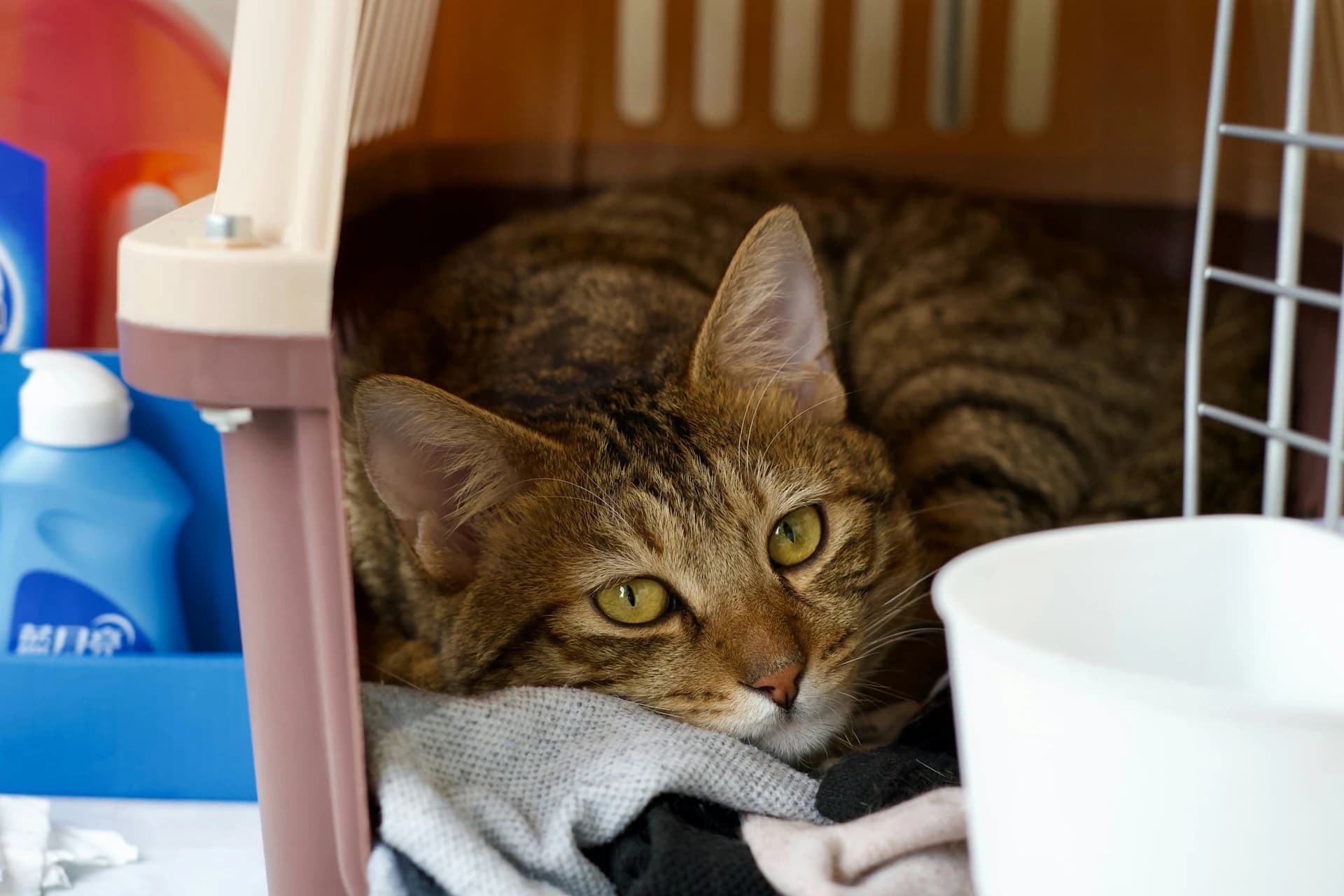
The most useful answer to what information should I bring to the vet for my cat is simple: bring any vaccination records you have, recent weight information, notes about appetite and behavior, a list of medications and parasite preventives, and one question you want answered. You don't need a perfect health chart. A few accurate details are more useful than trying to reconstruct everything from memory.
If the appointment is coming up soon, don't spend the night building a complicated spreadsheet. Gather what you already know, write down what has changed and when you first noticed it, and be honest about anything you're unsure of.
What to Bring to Your Cat's Vet Appointment: The Short Checklist
- Vaccination records from the shelter, breeder, rescue, or previous clinic, if available.
- Recent weights, ideally measured on the same scale over several weeks.
- Notes about appetite, usual food, and any recent diet changes.
- A short description of behavior changes and when they began.
- Names, doses, and last administration dates for medications and parasite-prevention products.
- One question you want to make sure you ask.
- Your cat in a secure carrier, plus any other items the clinic has specifically requested.
If you don't have one of these records, say so. You can still have a useful appointment.
1. Vaccination Records
If this is your cat's first appointment with a new veterinarian, bring any vaccination records you have from the shelter, breeder, rescue organization, or previous clinic.
These records may help the veterinary team understand which vaccinations your cat has received and when. Adoption paperwork or a vaccination booklet can be useful, too.
If you don't have the records, don't guess at dates or assume your cat has received every recommended vaccine. Tell the clinic that the history is incomplete. The veterinarian can discuss what information is available and what your cat may need next.
If your previous clinic has the records, ask whether they can send them directly to the new practice before your appointment.
2. Recent Weight Information
A single weight tells the veterinarian how much your cat weighs today. Measurements taken over time can provide additional context.
If you've weighed your cat at home over the past few weeks, bring those numbers and their dates. Use the same scale when possible and weigh your cat under reasonably consistent conditions.
For example, you might bring:
- September 20: 4.2 kg
- October 4: 4.1 kg
- October 18: 3.9 kg
These numbers are only an example, not a target for your cat. Their significance depends on your cat's age, size, health, and circumstances.
If you have only one home measurement, bring it anyway. If you haven't weighed your cat at home, that's fine, too. The clinic can weigh them during the visit.
Don't delay an appointment to collect more measurements if you're concerned about an unexpected change.
3. Appetite, Food, and Recent Diet Changes
Your veterinarian may ask what your cat eats, whether their appetite has changed, and when you first noticed a difference.
You don't need to calculate every calorie before the appointment. Start with what you can reliably describe.
Think about these questions:
- Is your cat eating about the same amount as usual?
- Are they eating less, eating more, or skipping meals?
- What brand and type of food do they eat?
- Have you recently changed their food or feeding routine?
- Are they still interested in treats?
- Have you noticed any other changes around mealtimes?
If you recently switched food, mention when the change happened and what the previous food was. Include treats and supplements that form part of their diet.
A photo of the food packaging can be useful if you don't remember the exact product name.
You don't need to work out why your cat's appetite changed. Describe what you observed and let the veterinary team assess it.
4. Behavior Changes and When They Started
This is often the hardest information to remember during an appointment.
At home, you might notice that your cat is hiding more, playing less, limping, or avoiding being touched in a particular area. But when the veterinarian asks when it started, the answer can quickly become "sometime last week."
Before the appointment, write down the clearest timeline you can.
Include:
- What changed: For example, your cat has stopped jumping onto their usual chair.
- When you first noticed it: A specific day or an approximate time period is enough if that's all you know.
- Whether it has changed since then: Has it happened once, repeatedly, or more often recently?
- What you observed: Describe the behavior rather than trying to explain its cause.
If your cat limps only occasionally, scratches at a particular time, or makes an unusual sound at home, a short video may help show the veterinarian what you mean. Don't provoke a symptom or delay care to get a recording.
You don't need to document every normal activity. Focus on the change that prompted the appointment and any other observations that seem relevant.
5. Medications and Parasite Prevention
Bring a list of everything your cat currently receives, including products you might not think of as medication.
That includes:
- Prescription medications.
- Over-the-counter products.
- Supplements.
- Flea and tick treatments.
- Worming or other parasite-prevention products.
- Topical treatments, if applicable.
For each product, write down the name, dose or amount, how often you give it, and the date of the most recent dose. If you don't know the exact dose, check the label rather than guessing.
Clear photos of the packaging or prescription label can help. Ask the clinic whether it would like you to bring the original packaging.
If your cat isn't taking any medication, simply say so. You don't need to prepare a medication list that doesn't apply to them.
6. One Question You Want Answered
You may have several questions, but choose the one you most want to leave the appointment having discussed.
It could be about a change in behavior, feeding, weight, preventive care, or something you've noticed during everyday life.
Writing the question down beforehand can help you bring it up even if the appointment covers other topics.
If you have several questions, make a short list and put the most important one first. The veterinarian can help prioritize what needs attention during the visit and what can be discussed separately.
Before leaving, make sure you understand the next steps, including any recommended tests, treatment instructions, follow-up appointments, or signs that should prompt another call to the clinic.
What You Can Skip
Preparing for a vet appointment doesn't mean turning your cat's entire life into a record-keeping project.
You don't need to:
- Reconstruct every meal from the past month.
- Record every litter-box visit if nothing unusual has happened.
- Bring weeks of daily notes when a short summary will explain the concern.
- Guess at vaccination dates, medication doses, or when a symptom began.
- Find a home weight measurement if you haven't been tracking weight.
- Try to diagnose your cat before the appointment.
Bring what you actually know, and clearly separate that from what you're unsure about.
If you have no written notes, take a few minutes to jot down the main concern, when you first noticed it, and whether anything has changed since. That is a reasonable place to start.
When Not to Wait for the Appointment
A checklist is useful for routine preparation, but it shouldn't delay veterinary care when your cat may need attention sooner.
Call your veterinary clinic promptly rather than waiting for a scheduled appointment if your cat:
- Will not eat.
- Seems weak or unusually unresponsive.
- Repeatedly strains in the litter box or produces little or no urine.
- Has a visible injury.
Difficulty urinating, especially repeated straining with little or no urine, can be an emergency. If your cat is unable to urinate, seek emergency veterinary care immediately. If your regular clinic is closed, contact an emergency veterinary service.
Don't spend time collecting records or trying to complete this checklist before calling. Explain what you've observed and follow the clinic's instructions about how quickly your cat needs to be seen.
A Simple Way to Keep Your Cat's Information Together
If you already have notes about your cat's weight, appetite, or behavior, bring the relevant information to the appointment. You don't need to organize everything perfectly before the visit.
For future appointments, keeping a few observations together can make preparation easier.
Borzi lets you keep check-ins, weight records, and notes associated with your cat. With Borzi Pro, you can also export a PDF containing recent check-ins, trends, and relevant scan history if you'd like to share that recent information with your veterinarian.
The PDF is an optional summary of the information available in Borzi. It does not automatically compile a complete medical chart containing vaccination records, medications, and every behavior observation, and it does not replace the veterinary examination.
You can still bring paper records, medication labels, or anything else the clinic requests.
Download Borzi on the App Store
Frequently Asked Questions
What information should I bring to the vet for my cat?
Bring any available vaccination and medical records, recent weight measurements, information about food and appetite, notes about behavior changes, medication and parasite-prevention details, and questions you want answered. The clinic may request additional items depending on the reason for the visit.
What if I don't have my cat's vaccination records?
Tell the veterinarian that the records are unavailable or incomplete. If your cat came from a shelter, breeder, rescue, or another clinic, ask whether they can provide a copy. Don't guess at vaccination dates.
Should I bring my cat's medication to the appointment?
Ask the clinic whether it wants the original packaging. At a minimum, bring an accurate list of medication and parasite-prevention products, including their names, doses, schedules, and most recent administration dates. Photos of labels can also be useful.
Should I weigh my cat before a vet visit?
You can bring recent home measurements if you have them, especially if you've been using the same scale over several weeks. If you haven't weighed your cat, don't worry. The clinic can measure their weight during the appointment.
Do I need to write down every symptom?
No. Start with the main concern, when you first noticed it, and how it has changed. Include other observations that seem relevant, and bring a short video if it helps demonstrate something that doesn't happen reliably at the clinic.
What if my cat seems unwell before the appointment?
Call your veterinary clinic and describe what you've observed. If your cat seems weak, will not eat, has a visible injury, or is straining to urinate, don't assume it can wait for the scheduled visit. Inability to urinate requires emergency veterinary attention.
Reputable sources
- Zoetis Petcare, What to Bring to Your Pet's Next Veterinary Appointment
- VCA Animal Hospitals, Preparing for Your First Visit
- American Association of Feline Practitioners, Feline Veterinary Medical Association Cat Friendly Practice Checklist
Related reading
- Bringing a Cat Home Tonight? Set Up One Room First
- New Kitten First Week Checklist: What to Track Each Day
Save this checklist for your next appointment. You don't need a perfect chart. You just need the information you have, the details that matter, and the questions you want to ask.
This article is for informational purposes only and does not replace professional veterinary advice. If your cat may need urgent care, contact your veterinarian or an emergency clinic.
Resources
- Zoetis Petcare — What to Bring to Your Pet's Next Veterinary Appointment
- VCA Animal Hospitals — Preparing for Your First Visit
- AAFP — Cat Friendly Practice client checklist
This article is for informational purposes only and does not replace professional veterinary advice. Always consult your veterinarian for medical decisions.
Ready to monitor your pet's health?
Download Borzi for daily health logs, AI observations, and vet-ready notes in one app.
Download on the App Store