Indoor Cats Still Need Daily Health Notes
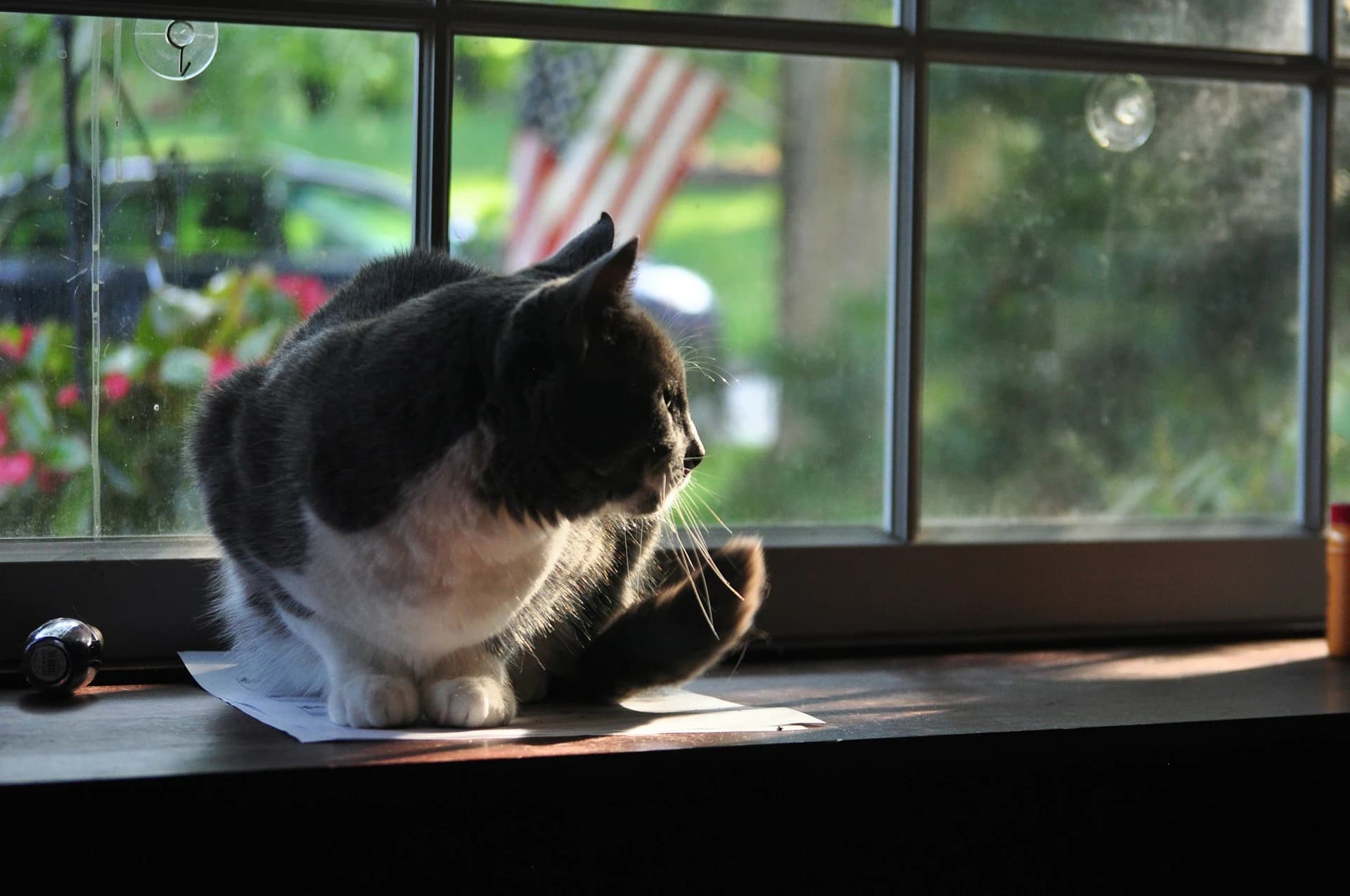
When people think about keeping a cat healthy, they often picture outdoor dangers: busy roads, fights with other animals, parasites, or poisonous plants. So, it's easy to believe that an indoor cat is naturally protected from most health problems.
While living indoors certainly reduces many risks, it doesn't prevent illness. In fact, many of the most common feline health conditions—including kidney disease, diabetes, arthritis, obesity, and dental disease—develop gradually inside the home, often without obvious warning signs.
That's why indoor cat health monitoring is so important.
The goal isn't to search for dramatic symptoms every day. It's simply to notice the small changes that can tell a much bigger story over time.
Indoor Doesn't Mean Isolated
A common misconception is that because your cat lives in the same environment every day, their health stays the same too. The truth is even in a quiet home, your cat changes constantly.
They get older. Their metabolism changes. Their activity level shifts. Their habits evolve.
Sometimes those changes are completely normal. Sometimes they're the earliest signs that something deserves a closer look.
The challenge is that these changes usually happen so gradually that they're almost impossible to notice from memory alone.
Cats Are Experts at Hiding Problems
Cats evolved to hide pain. In the wild, appearing weak could make them vulnerable, so they instinctively conceal discomfort for as long as possible. That instinct hasn't disappeared just because they live on a comfortable sofa instead of in the wild.
Rather than crying out or limping dramatically, a cat may simply:
- Sleep a little longer
- Play a little less
- Eat a little more slowly
- Groom a little less often
- Choose an easier place to rest
Each change is subtle. Taken together, they can become meaningful.
That's why veterinarians often encourage owners to pay attention to trends instead of waiting for obvious symptoms.
Four Daily Habits Worth Watching
You don't need special equipment to keep an eye on your cat's wellbeing.
Some of the most valuable observations happen during your normal daily routine.
1. Water Intake
Cats naturally don't drink large amounts of water, which makes changes easier to miss.
Pay attention if your cat suddenly:
- Visits the water bowl more often
- Drinks noticeably longer
- Starts preferring running taps or fountains
- Seems less interested in drinking altogether
Changes in drinking habits don't automatically mean something is wrong, but they're worth tracking and discussing with your veterinarian if they continue.
2. Appetite
Most cats have fairly predictable eating habits.
Small changes can include:
- Leaving food behind
- Eating more slowly
- Asking for food more often
- Losing interest in favorite treats
One skipped meal may not be unusual. Several days of changing appetite tell a much more useful story.
3. Play and Activity
Every cat has their own personality. Some sprint through the house every evening. Others prefer a quiet nap in a sunny window.
The important thing isn't comparing your cat to someone else's.
It's comparing today's behavior with your own cat's normal routine.
Ask yourself:
- Are they still chasing their favorite toy?
- Are they climbing the cat tree as often?
- Do they still greet you at the door?
- Have they stopped jumping onto their favorite shelf?
These gradual changes are often much easier to notice when they're recorded over time.
4. Litter Box Habits
The litter box is one of the best windows into your cat's health.
Notice changes such as:
- Visiting more or less often
- Smaller or larger urine clumps
- Softer or harder stools
- Straining
- Spending longer in the litter box
- Choosing to eliminate outside the box
These observations provide valuable information for your veterinarian, especially if they develop gradually.
You Have to Rely on More Than Just Memory
Imagine your veterinarian asks: "When did you first notice your cat drinking more water?"
Was it last weekend?
Three weeks ago?
Last month?
Most owners genuinely want to answer accurately, but our memory isn't designed to remember tiny daily changes.
Instead, we remember the unusual events.
That's why keeping simple daily notes can be so valuable.
You're not trying to record every moment. You're simply creating a timeline that helps you see patterns you would otherwise forget.
What Daily Health Notes Can Look Like
Health tracking doesn't have to be complicated. A few quick observations each day are enough.
You might note:
Every day
- Appetite
- Water intake
- Energy level
- Playfulness
- Litter box habits
Every week
- Weight
- Mobility
- Coat condition
If something changes, add a short note describing what you observed.
Over time, those entries become a much clearer picture of your cat's health than memory alone.
Small Changes Become Valuable Patterns
One quieter day probably isn't a problem. One missed play session isn't an emergency. One slightly smaller meal doesn't necessarily mean your cat is sick.
But when those same observations repeat over several days or weeks, they become much more meaningful.
Patterns often appear long before obvious symptoms do.
That's why consistent health notes are so helpful: they allow you to step back and see the bigger picture.
How Borzi Helps You Stay Consistent
The hardest part of health monitoring isn't knowing what to watch.
It's remembering to keep track of it.
Borzi makes it easy to record quick daily notes about your cat's appetite, water intake, energy, litter box habits, and overall wellbeing in just a few moments each day.
Instead of relying on memory before your next veterinary appointment, you'll have a clear timeline showing how your cat's habits have changed over time.
That information can help you have a more informed conversation with your veterinarian and provide useful context between routine checkups.
Don't Forget: Healthy Cats Change Too
Indoor cats may live in a stable environment, but they still change as they grow older.
Their habits shift. Their routines evolve.
Sometimes those changes are simply part of life. Sometimes they're the first clue that something deserves attention.
The important thing isn't trying to interpret every small change on your own.
It's noticing those changes consistently so you can understand the bigger picture over time.
Daily health notes don't replace regular veterinary care, but they can make every veterinary visit more informative.
If you'd like an easy way to build that habit, download Borzi and start keeping simple daily health notes for your cat.
This article is for informational purposes only and does not replace professional veterinary advice. If you notice changes in your cat's health, contact your veterinarian.
Resources
- AAFP & ISFM. Feline Environmental Needs Guidelines.
- International Cat Care. How to Tell if Your Cat Is Sick.
- Cornell Feline Health Center. Recognizing Signs of Illness in Cats.
- AAHA. Senior Care Guidelines for Dogs and Cats / Feline Life Stage Guidelines.
This article is for informational purposes only and does not replace professional veterinary advice. Always consult your veterinarian for medical decisions.
Ready to monitor your pet's health?
Download Borzi for daily health logs, AI observations, and vet-ready notes in one app.
Download on the App Store