Why Indoor Cats Still Need Daily Health Tracking
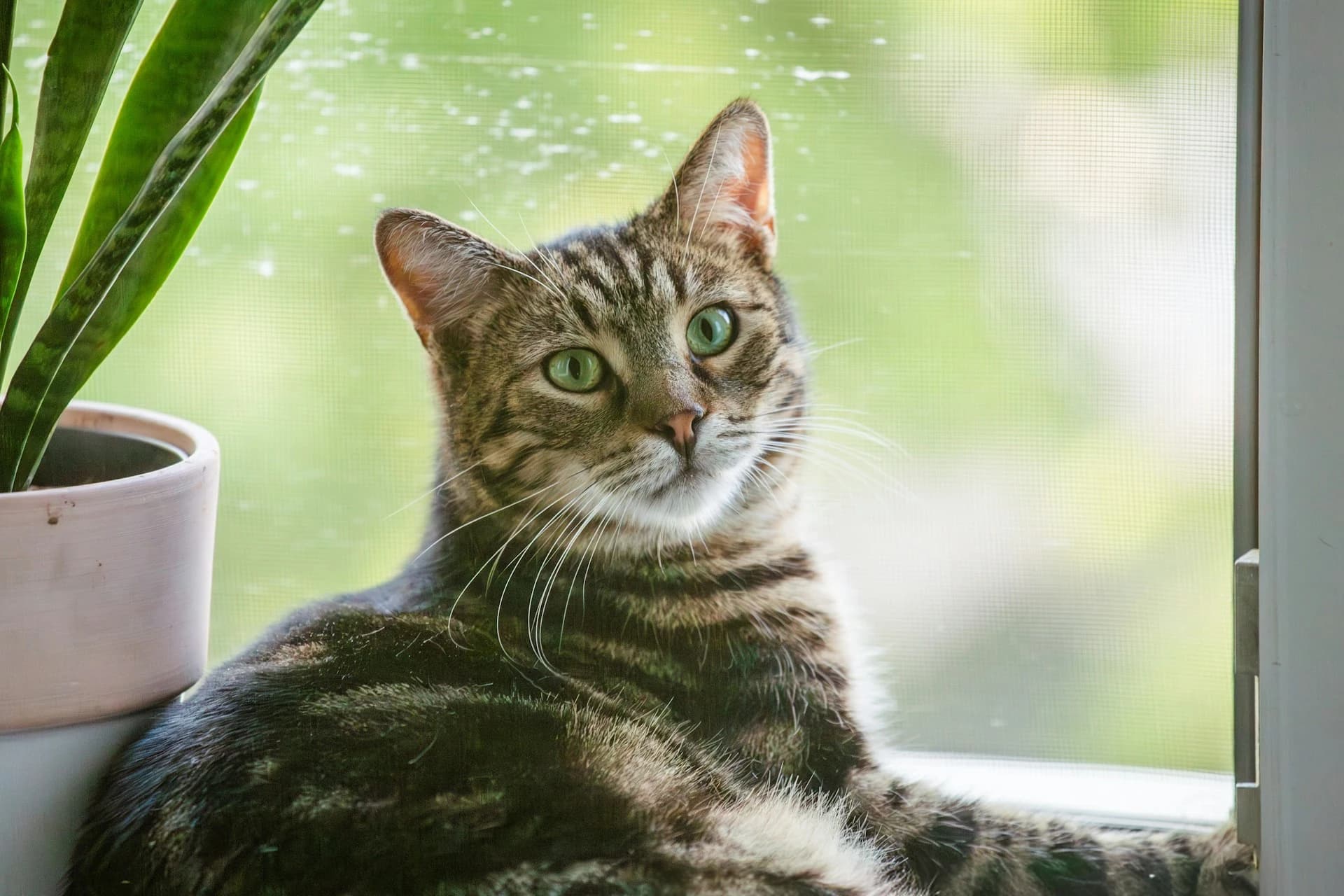
Many people assume that indoor cats are naturally healthier because they're protected from traffic, predators, infectious diseases, and harsh weather. While indoor living certainly reduces many risks, it doesn't eliminate health problems. In fact, some of the most common feline conditions—such as obesity, kidney disease, diabetes, dental disease, arthritis, and urinary issues—develop slowly inside the home, often without obvious warning signs.
The biggest challenge is that cats instinctively hide pain and illness. By the time symptoms become obvious, a condition may already be well advanced.
That's why daily health tracking matters. You're not looking for dramatic changes. You're looking for small patterns that become meaningful over time. And that's exactly where Borzi helps. Instead of relying on memory, Borzi lets you record small daily observations, helping you identify trends long before they become emergencies.
Why Indoor Cats Hide Illness So Well
Cats evolved as both predators and prey. In the wild, showing weakness could make them vulnerable to larger predators, so they instinctively hide pain whenever possible.
That instinct hasn't disappeared just because they now live in comfortable homes.
An indoor cat with arthritis may simply stop jumping onto their favorite shelf. A cat developing kidney disease may drink a little more water every week. A cat with dental pain may continue eating but much more slowly than before.
None of these changes seem alarming on their own. But when they're tracked consistently, they often reveal an important pattern.
That's why veterinarians frequently say that trends are far more valuable than isolated observations.
Indoor Cats Face Different Health Risks
Many owners associate illness with outdoor dangers, but indoor cats face their own set of challenges.
Reduced Exercise
Indoor cats typically burn fewer calories than outdoor cats, making them more prone to obesity.
Extra weight increases the risk of:
- Diabetes
- Arthritis
- Heart disease
- Reduced mobility
Small weight gains are almost impossible to notice visually, but they become obvious when tracked over time.
Borzi's weight tracker makes these gradual changes easy to spot before they become serious health problems.
Stress That Isn't Always Obvious
Cats thrive on routine.
Even small household changes can affect their wellbeing:
- Moving furniture
- A new family member
- Visitors
- Different work schedules
- Construction noise
- New pets
Stress doesn't always look dramatic.
Instead, you may notice:
- Sleeping in different locations
- Reduced appetite
- Increased hiding
- Changes in litter box habits
- Less interaction with family members
When these behaviors are logged daily in Borzi, it's much easier to identify whether they're isolated events or part of a developing pattern.
Hydration Problems
Cats naturally have a low thirst drive.
Many obtain most of their water from food rather than drinking bowls, which means dehydration can develop gradually, especially in cats eating primarily dry food.
Pay attention to:
- Drinking more than usual
- Visiting the water bowl more often
- Changes in urine volume
- Changes in litter box frequency
These observations can become valuable information for your veterinarian, particularly when investigating kidney disease or urinary conditions.
Four Daily Habits Worth Tracking
You don't need medical equipment to monitor your cat's health.
Simply paying attention to a few everyday habits can provide valuable insight.
1. Litter Box Habits
The litter box often provides the earliest clues that something has changed.
Watch for:
- More or fewer visits
- Smaller urine clumps
- Straining
- Vocalizing
- Constipation or diarrhea
- Blood in urine or stool
Borzi's daily health log makes it easy to record digestion and bathroom habits so you can identify patterns over time instead of relying on memory.
2. Eating and Drinking
Most illnesses affect appetite before they affect appearance.
Look for changes like:
- Leaving food behind
- Eating more slowly
- Drinking noticeably more or less
- Increased interest in water fountains
Even small daily differences become meaningful when they're tracked consistently.
3. Activity and Mobility
Cats naturally become less active as they age, but sudden or gradual mobility changes deserve attention.
Ask yourself:
- Does your cat still jump onto favorite furniture?
- Are they using chairs as stepping stones?
- Have they stopped climbing cat trees?
- Are they sleeping more than usual?
Borzi's daily activity tracking helps identify slow declines that are easy to miss during everyday life.
4. Weight and Grooming
Long-haired cats are experts at hiding weight changes.
A fluffy coat can conceal gradual weight gain or muscle loss for months.
Weigh your cat every two weeks—or at least once a month—and monitor:
- Weight trends
- Coat condition
- Greasy fur
- Matting
- Reduced grooming
- Dandruff
Borzi automatically builds a weight history so you can spot gradual gains or losses before they're obvious visually.
A Simple Health Tracking Routine
You don't need to spend hours monitoring your cat. A consistent routine takes only a few minutes.
Every day:
- Log appetite
- Record energy level
- Check litter box habits
- Note any unusual behaviors
Every week:
- Observe mobility
- Check hydration habits
Every two weeks:
- Weigh your cat
Every month:
- Inspect teeth, gums, ears, eyes, and coat
Small observations recorded consistently are far more useful than trying to remember what happened weeks ago.
Why Memory Isn't Enough
Most owners only remember the obvious events. But veterinarians often ask questions like:
- When did the appetite change?
- Has the weight loss been gradual?
- Has water intake increased recently?
- When did the litter box habits first change?
Very few people can answer those questions accurately from memory.
Borzi solves this by creating a simple health timeline. Instead of trying to remember when something changed, you can show your veterinarian clear, time-stamped records of appetite, weight, activity, digestion, and behavior.
That information can help your vet understand not just what's happening, but when it started and how quickly it's progressing.
Small Changes Become Big Clues
Cats rarely become sick overnight. Most illnesses begin with tiny changes that are easy to overlook:
- Sleeping a little more
- Drinking a little more water
- Jumping a little less
- Eating a little slower
- Grooming a little less
Each change by itself may not seem important. Together, they often tell a very different story.
That's why daily tracking isn't about becoming obsessive—it's about noticing patterns before your cat is forced to show obvious signs of illness.
Borzi makes that process simple by turning quick daily observations into long-term health insights, giving both you and your veterinarian a clearer picture of your cat's wellbeing.
Because when it comes to feline health, catching small changes early can make all the difference.
This article is for informational purposes only and does not replace professional veterinary advice. If you notice changes in your cat's health, contact your veterinarian.
Resources
- Cornell Feline Health Center — Indoor Cat Care
- American Veterinary Medical Association (AVMA) — Cat Care
- American Association of Feline Practitioners (AAFP) — Feline Lifestyle
This article is for informational purposes only and does not replace professional veterinary advice. Always consult your veterinarian for medical decisions.
Ready to monitor your pet's health?
Download Borzi for daily health logs, AI observations, and vet-ready notes in one app.
Download on the App Store